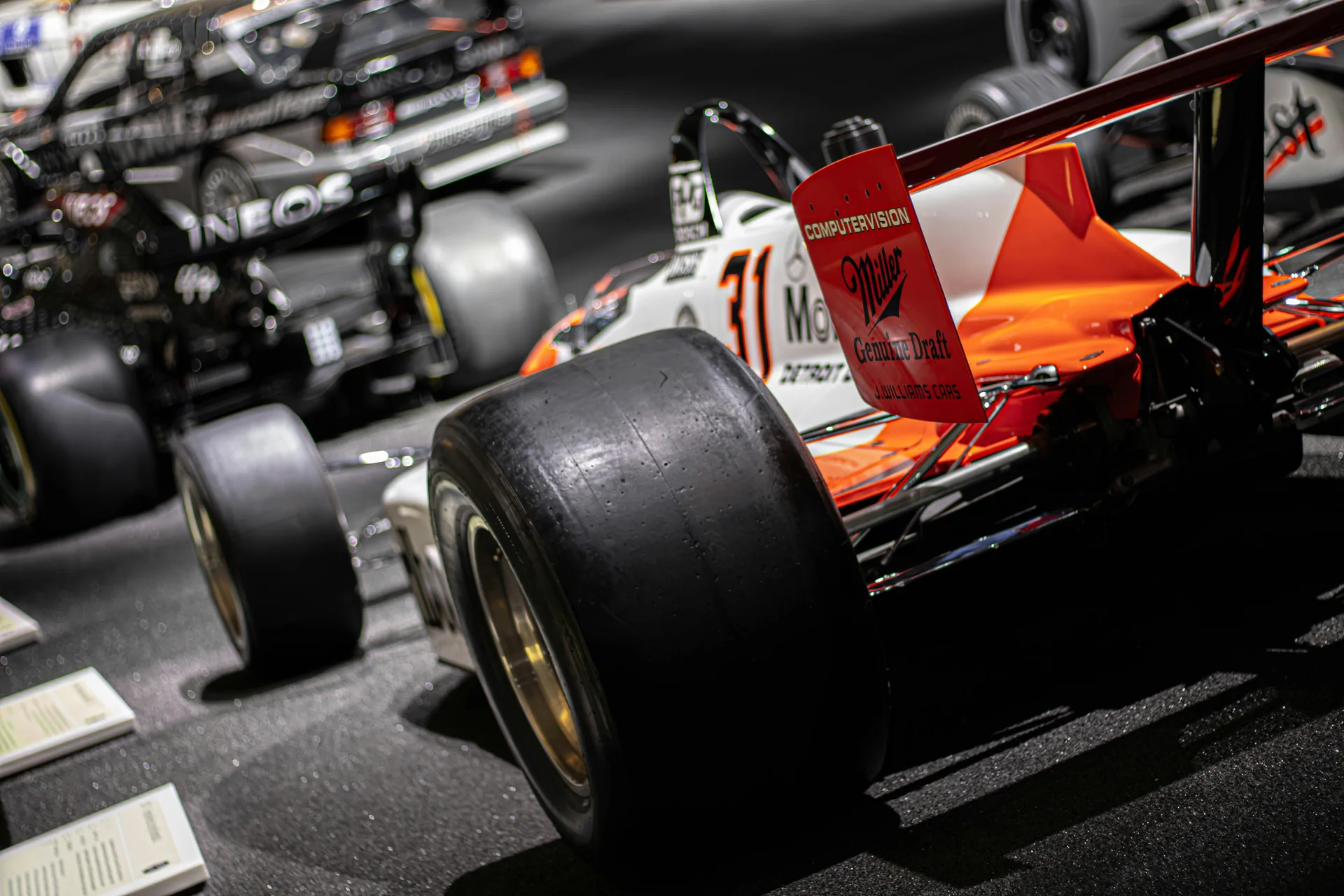
🏁 Race Weekend Format
The Grand Prix weekend is a structured pursuit of performance.
Free Practice is the foundation, dedicated to long-run simulations, tyre comparison, and system checks. Qualifying is the explosive prelude, a session that rewards flawless execution and raw speed to secure a prime starting spot. The Race is the complex puzzle, where all the pieces—pace, strategy, and reliability—must come together to succeed.
The three-day mission — Prepare. Perform. Prevail.
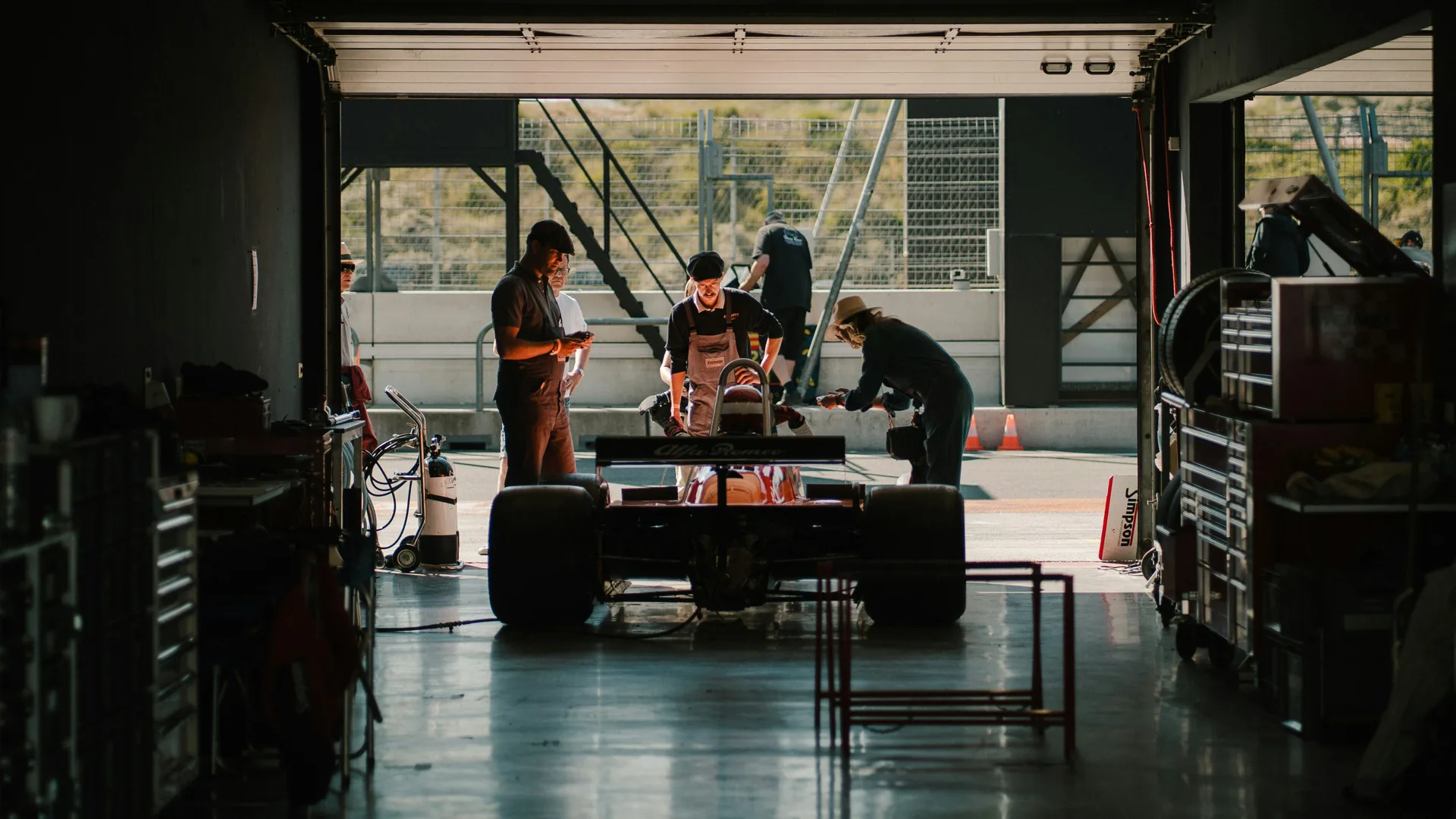
⚙️ Qualifying Structure (Q1–Q3)
Qualifying is a tense, three-part elimination spectacle.
Q1: A 20-minute session where setting a safe time is critical; the bottom five are eliminated. Q2: A 15-minute round where the midfield battle erupts; positions 11-15 are decided. Q3: A 12-minute dash for pole, where the top ten drivers, free of fuel concerns, push their machines to the absolute limit.
The fight for the front row.
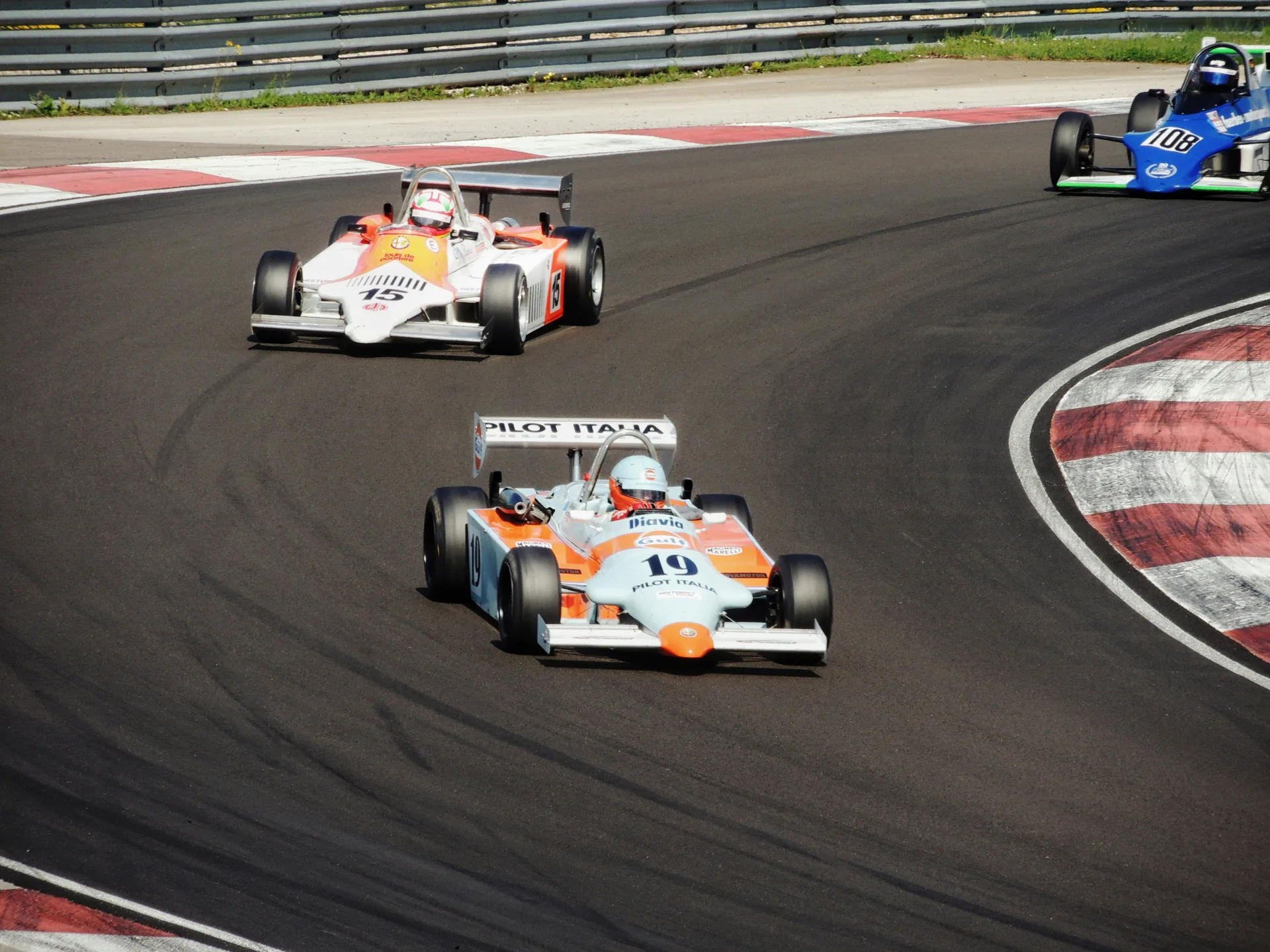
🏎️ Points & Championships
The championship is won with points, collected race by race.
Points are awarded to the first ten drivers across the line, with the winner receiving the maximum 25. A bonus point for the Fastest Lap ensures teams and drivers must remain aggressive even when their final position seems secure. This points tally determines the winners of the sport's two most important titles: the Drivers' Championship and the Constructors' Championship, the ultimate measure of a team's success.
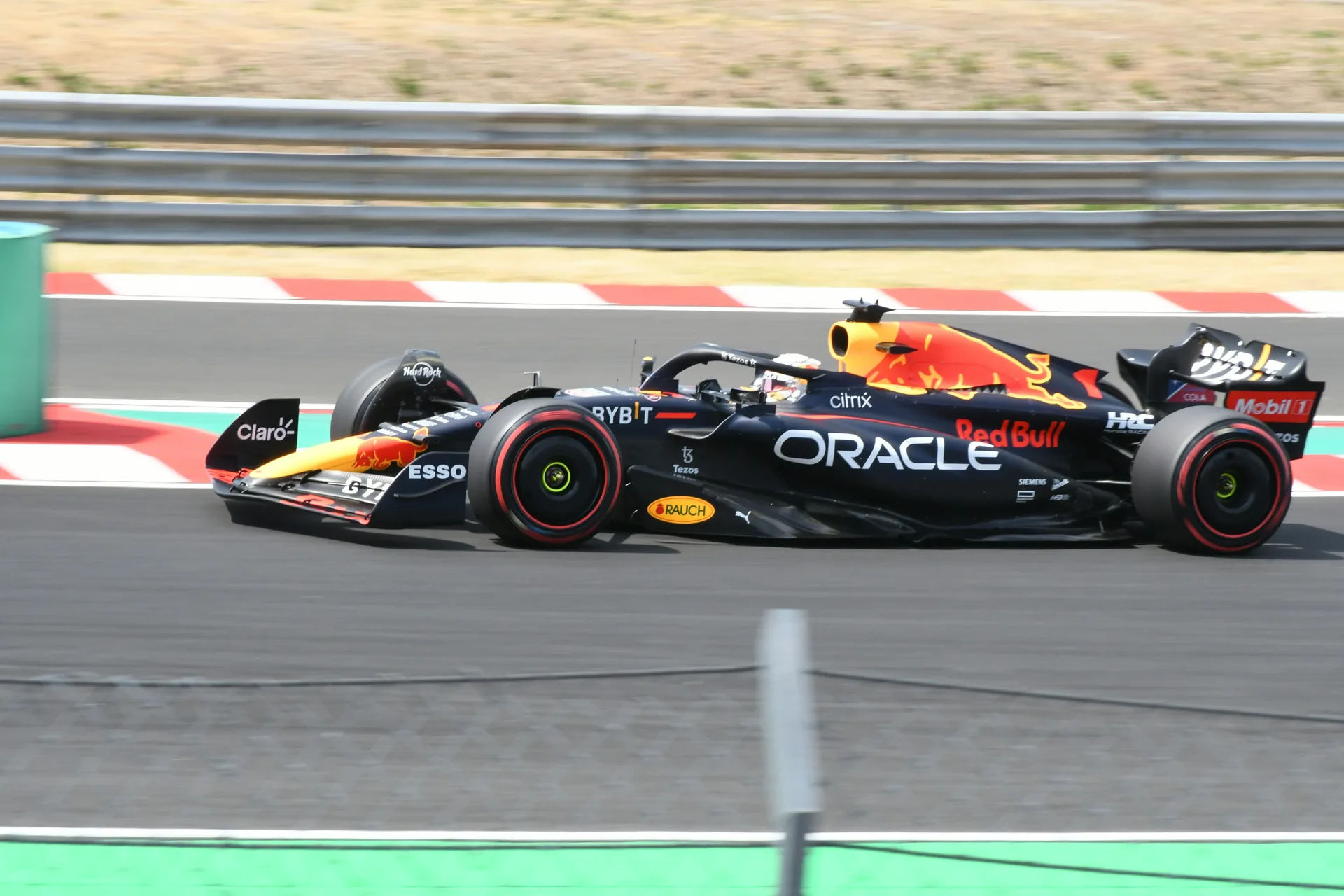
🚦 Pit Stops & Race Safety
Games are won in the pits, and races are no different.
The mandatory pit stop for tyres introduces a key strategic variable, with teams constantly calculating the optimal time to box. The speed and accuracy of the pit crew are paramount, as a single error can cost a podium. Safety Car periods can dramatically alter the race landscape, erasing large gaps and compressing the field, setting the stage for a thrilling restart and a new battle for victory.